
We've all been there. You're standing in the skincare aisle (or scrolling through a website), flip over a bottle that promises glowing, youthful skin, and... what even is that ingredient list? It looks like someone smashed their keyboard and called it a day.
Here's the good news: you absolutely do not need a chemistry degree to understand what's in your skincare. You just need a few simple tricks to cut through the confusion and figure out what you're actually putting on your face.
Let's break it down together, no lab coat required.
#ReadYourLabels
Why Ingredient Lists Feel So Confusing
First, let's acknowledge the elephant in the room. Skincare labels are confusing on purpose. Okay, maybe not on purpose, but the way ingredients are legally required to be listed (using their scientific or INCI names) doesn't exactly make for light reading.
That "Tocopherol" on the label? That's just Vitamin E. "Ascorbic Acid"? Vitamin C. "Sodium Lauryl Sulfate"? That one we'll get to later, and it's not as friendly as it sounds.
The trick isn't memorizing every single ingredient (who has time for that?). It's knowing where to look and what to look for.
The Three-Section Rule: Your New Best Friend
Here's a game-changer that makes reading any skincare label way less intimidating. Think of every ingredient list as having three sections:
Section 1: The First 3-5 Ingredients
This is where the magic happens, or doesn't. The first few ingredients make up about 80-90% of the product. If a serum claims to be packed with hyaluronic acid but you find it listed as ingredient #15? That's basically a sprinkle. The real stars should be hanging out near the top.
Section 2: The Middle Ground (1-5% Concentration)
These are your supporting players. Think glycerin or botanical extracts that help with texture, absorption, and overall skin health. They're doing important work, just not carrying the whole show.
Section 3: Below the 1% Line
Once you hit this zone, ingredients can be listed in any order. This is where you'll find preservatives, fragrances, and trace amounts of other ingredients. The order stops mattering here, so don't stress if something beneficial appears after the preservatives, it might still be doing its job.
How to Find the 1% Line
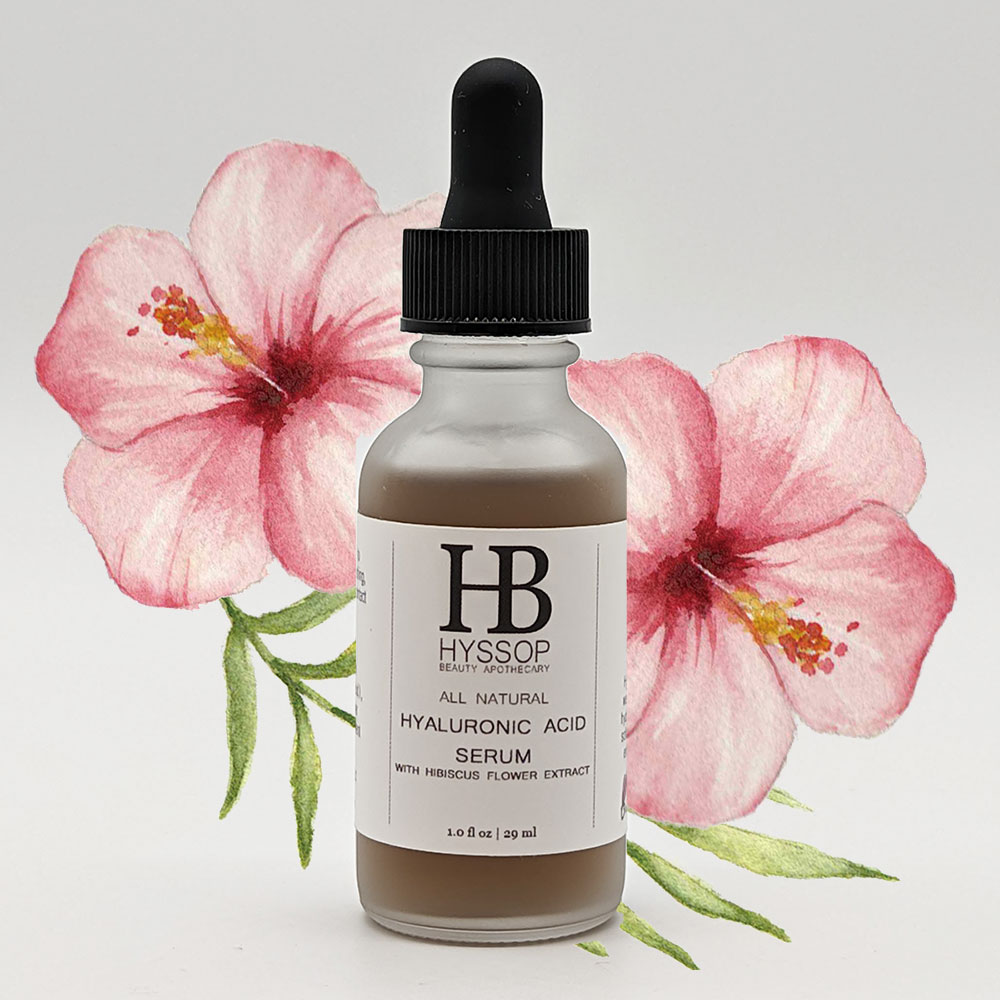
So how do you know where that 1% cutoff is? Look for the preservatives. Common ones include phenoxyethanol, sodium benzoate, and potassium sorbate. These are used at very low levels (usually around 0.10-0.30%), so once you spot the first preservative, you've found your approximate 1% marker.
This little trick helps you understand whether that fancy-sounding active ingredient is actually present in a meaningful amount, or just there for marketing purposes.
Decoding Common Ingredient Names
Let's translate some of the most common skincare ingredient names you'll see:
The Good Stuff:
- Tocopherol = Vitamin E (antioxidant powerhouse)
- Ascorbic Acid = Vitamin C (brightening and protective)
- Hyaluronic Acid = A hydration magnet that holds up to 1,000 times its weight in water
- Bakuchiol = A gentle, plant-based alternative to retinol
Plant Ingredients:
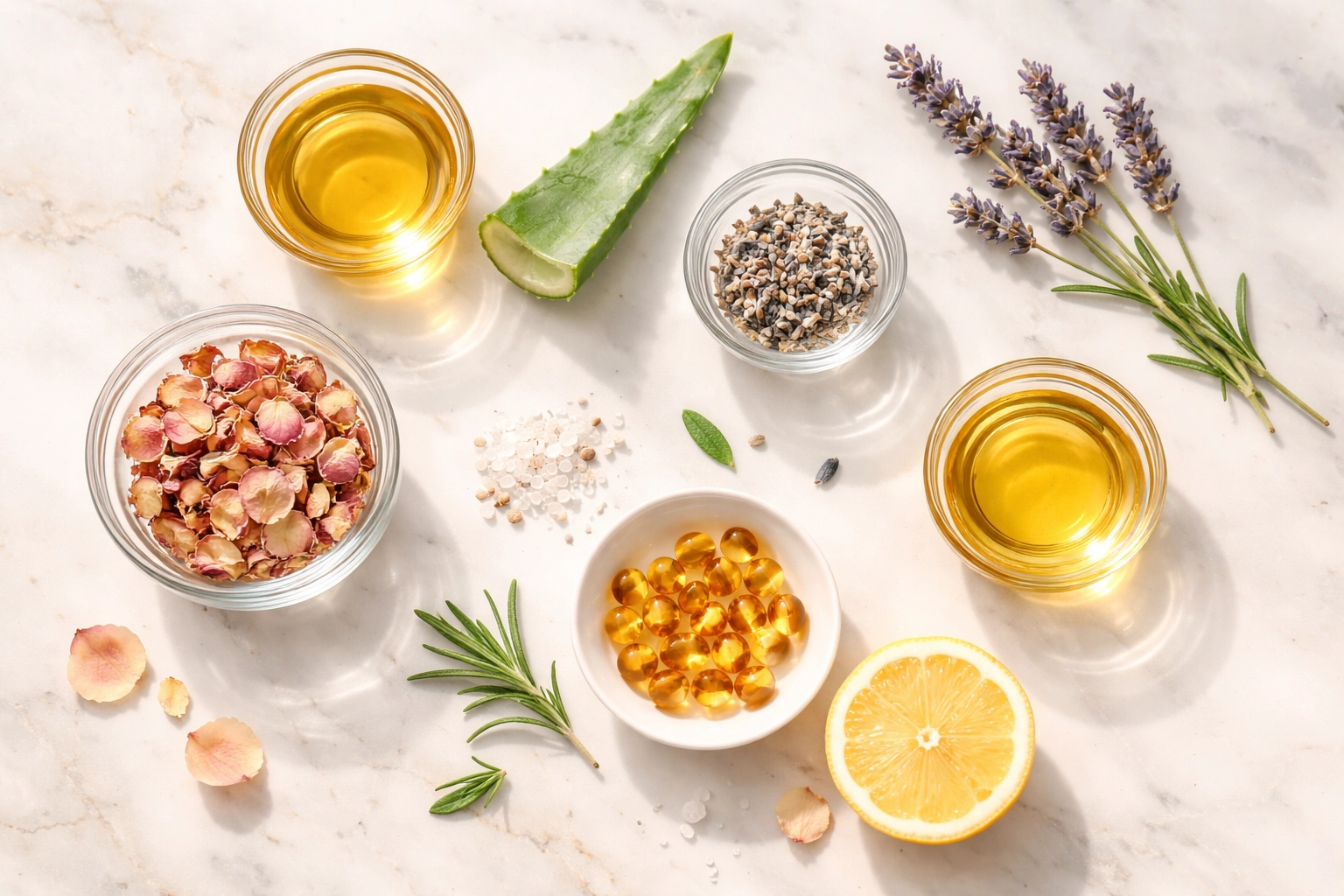
Here's a fun one. Botanical ingredients are always listed with their Latin name first, followed by the common name in parentheses. So when you see Rosa Damascena (Rose) Flower Water or Helianthus Annuus (Sunflower) Seed Oil, you know exactly what plant you're getting.
This is actually one of the more transparent parts of skincare labeling, once you know the pattern, plant ingredients become easy to spot.
The Red Flags: What to Avoid
Now let's talk about the ingredients you might want to steer clear of. Not every synthetic ingredient is bad, but some have raised enough concerns that many of us prefer to skip them:
Parabens (Methylparaben, Propylparaben, Butylparaben)
These preservatives have been used for decades, but research suggesting they may disrupt hormones has made them controversial. Many clean beauty brands (including us) avoid them entirely.
Sulfates (Sodium Lauryl Sulfate, Sodium Laureth Sulfate)
These are the ingredients that make products foam up dramatically. While satisfying, they can strip your skin of natural oils and cause irritation: especially for sensitive skin types. Your cleanser doesn't need to foam like a bubble bath to work.
Synthetic Fragrances (Listed as "Fragrance" or "Parfum")
Here's a sneaky one. The word "fragrance" can actually hide dozens of undisclosed chemicals. Because fragrance formulas are considered trade secrets, companies don't have to tell you what's in them. If you have sensitive skin or prefer knowing exactly what's touching your face, look for products scented with essential oils or labeled "fragrance-free."
Phthalates
Often hiding under that "fragrance" umbrella, phthalates are used to make scents last longer. They've been linked to various health concerns and are worth avoiding when possible.
Why Simple Labels Matter
Here's the thing about clean beauty: it's not about being perfect or militant. It's about making informed choices and knowing what you're putting on your skin every single day.
Your skin is your largest organ. It absorbs what you apply to it. And while the occasional mystery ingredient probably won't hurt you, wouldn't you rather use products where you can actually pronounce: and understand: what's inside?
How We Keep Things Simple at Hyssop Beauty Apothecary
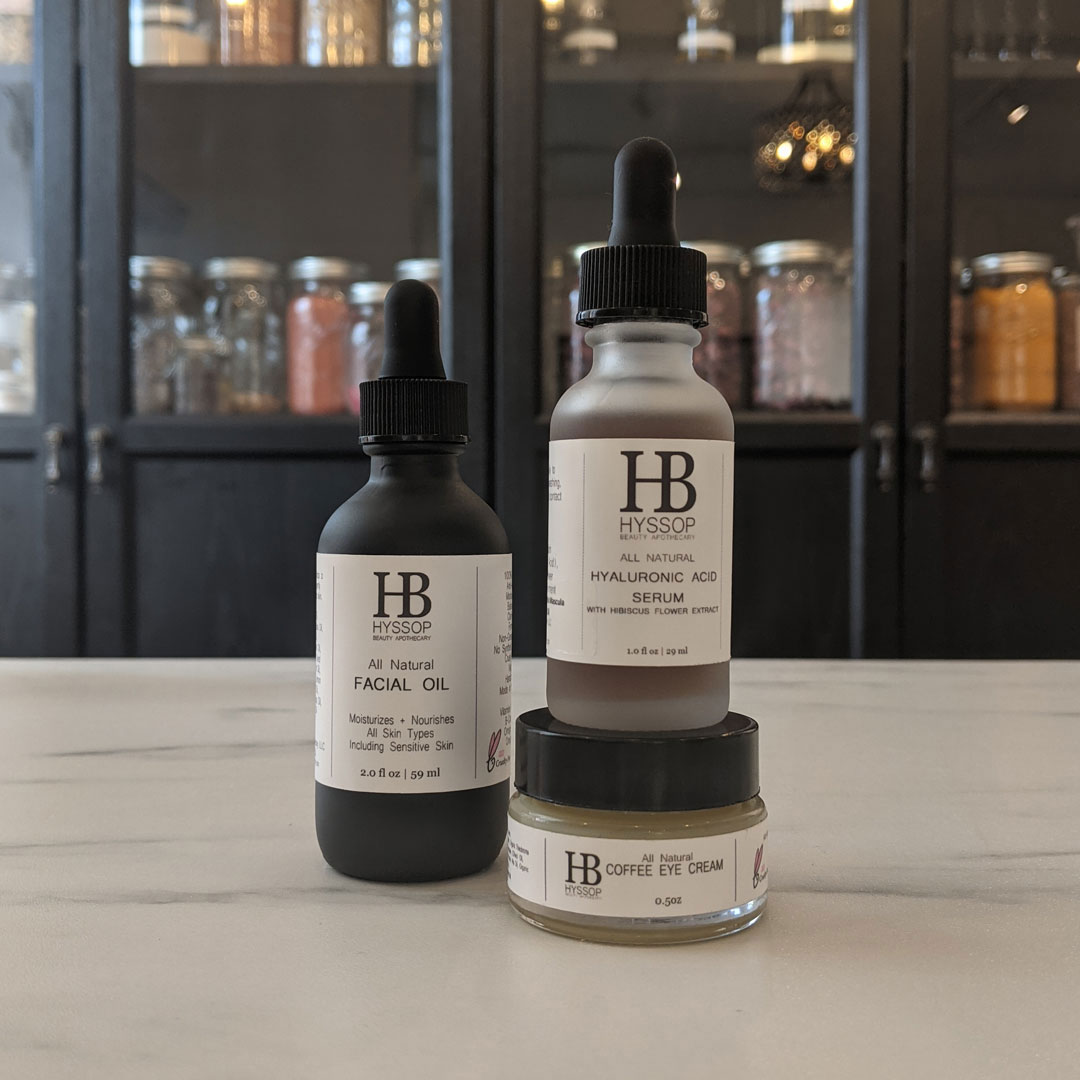
At Hyssop Beauty Apothecary, we believe your skincare shouldn't require a translator. That's why we prioritize ingredients you can recognize: real botanicals, nourishing oils, and actives that do what they promise.
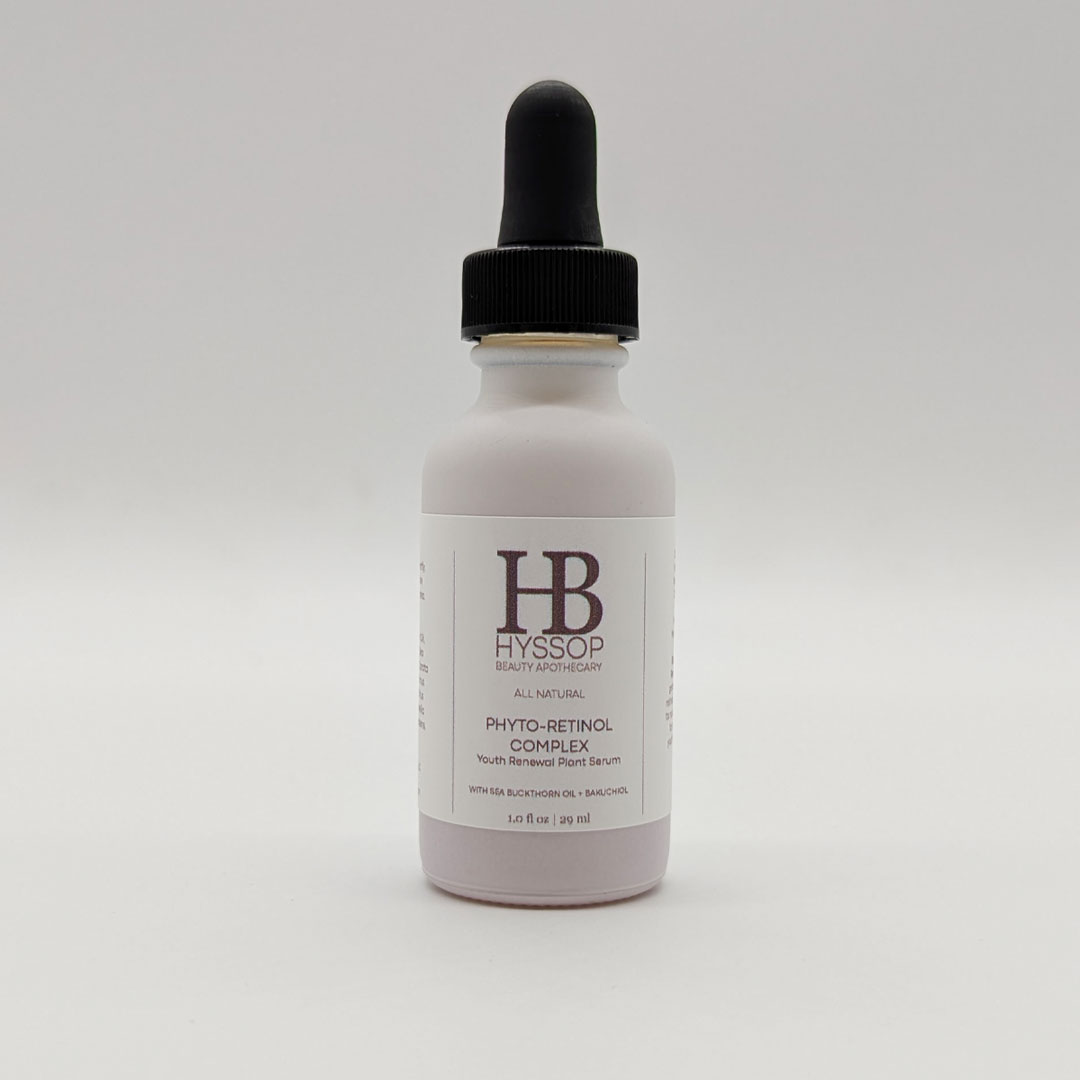
When you pick up one of our facial products, you'll find ingredient lists that read more like a garden than a chemistry experiment. Hibiscus flower extract. Sea buckthorn oil. Bakuchiol. Rose water. These aren't just buzzwords: they're the actual foundation of our formulas.
We skip the parabens, synthetic fragrances, and harsh sulfates. Not because we're trying to be trendy, but because we genuinely believe your skin deserves better. And honestly? When you're working with high-quality, effective ingredients, you don't need all that extra stuff anyway.
Your Quick-Start Guide to Smarter Shopping
Ready to put this into practice? Here's your cheat sheet:
- Focus on the first five ingredients. These tell you what the product is really made of.
- Find the preservative. Everything after it is present at less than 1%.
- Watch for "fragrance" or "parfum." If it's listed without specifics, it could be hiding a cocktail of undisclosed chemicals.
- Look for Latin names with translations. That's your sign of real plant ingredients.
- Trust brands that are transparent. If a company proudly lists and explains their ingredients, they've got nothing to hide.
- Start with products you use daily. Your cleanser, serum, and moisturizer touch your skin every single day. Those are the best places to begin making cleaner swaps.
You've Got This
Reading skincare labels might feel overwhelming at first, but like anything else, it gets easier with practice. Start by flipping over the products you already own. Look at those first five ingredients. Find the preservative line. Notice any red flags.
Before you know it, you'll be reading ingredient lists like a pro: no chemistry degree needed.
And when you're ready to explore skincare that keeps things simple, real, and effective, we're here. Browse our collections and see for yourself what clean beauty looks like when it's done right.
Your skin will thank you.