
So you've seen those gorgeous Instagram posts of people waving smoke sticks around their homes, and you're ready to try smudging with palo santo. Good for you! But here's the thing most "experts" gloss over: not all palo santo is created equal, and buying the wrong kind could actually be doing more harm than good.
Let's get real about what you actually need to know as a beginner, the sustainability issues, the common mistakes, and how to do this ritual the right way.
The Secret Nobody Talks About: Palo Santo Isn't Always Sustainable
Here's what the pretty packaging doesn't tell you: palo santo (which means "holy wood" in Spanish) comes from a tree native to South America, and it's been overharvested to the point where some species are now threatened. The "secret" experts don't always share? You should only be using palo santo from trees that died naturally.
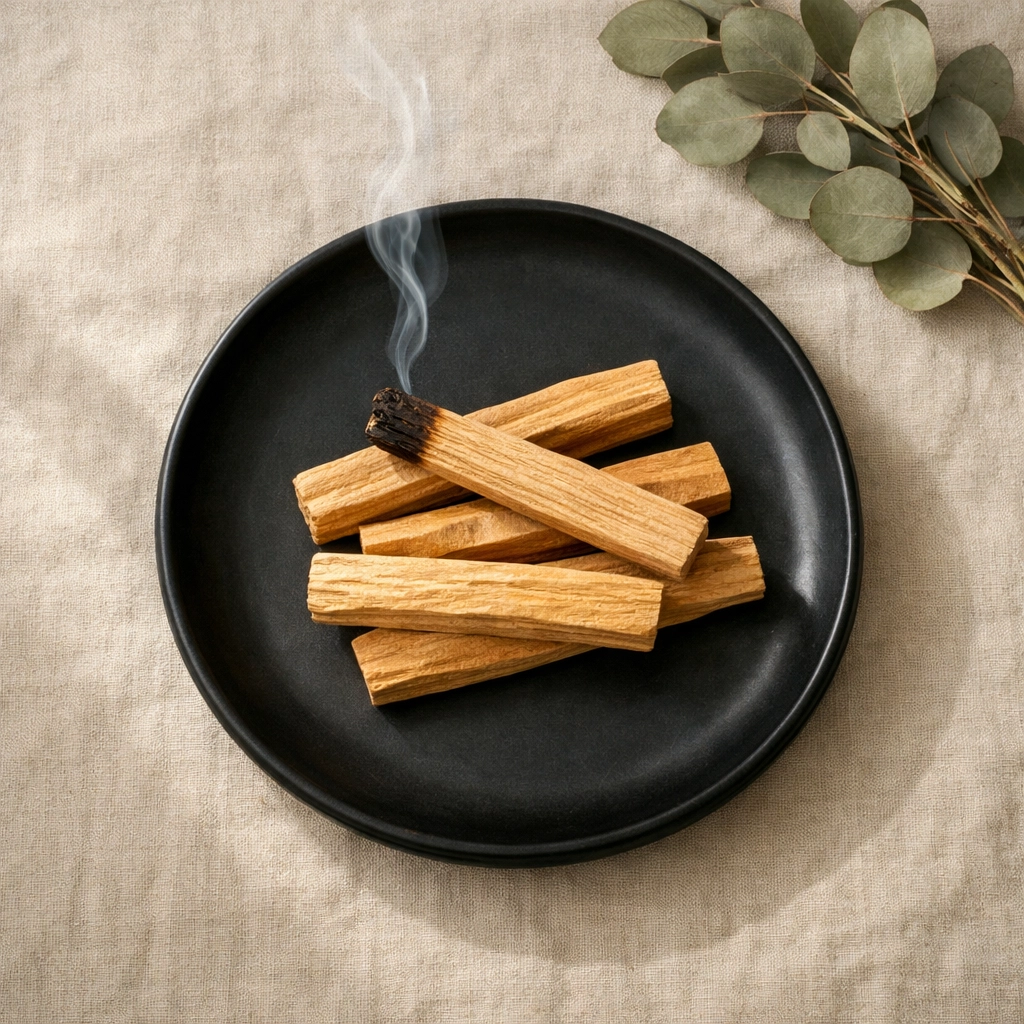
Authentic, sustainably-sourced palo santo comes from trees that have fallen and aged for 4-10 years on the forest floor. This natural death and decomposition process is what gives the wood its aromatic oils and that signature sweet, woodsy scent. Living trees? They don't have the same fragrance or spiritual properties.
The problem is that rising demand has led to illegal harvesting of live trees, which damages ecosystems and disrespects indigenous traditions. At Hyssop Beauty Apothecary, we're all about clean, ethical ingredients, and that same philosophy should apply to your smudging practice too.
How to Spot Ethical Palo Santo (Before You Buy)
When you're shopping for palo santo, look for these green flags:
Certification matters: Seek out sellers who provide certification from organizations like the Forest Stewardship Council (FSC) or who work directly with indigenous communities in Ecuador or Peru.
Price point: If it's suspiciously cheap, it's probably not ethically sourced. Sustainable palo santo takes years to produce, and fair-trade practices cost more.
Transparency: Good suppliers will tell you exactly where their wood comes from and how it was harvested. If the description is vague or says nothing about sustainability, keep scrolling.
The smell test: Authentic palo santo has a sweet, citrusy, woody aroma even before you burn it. If your stick smells like nothing, it might be from a living tree that was harvested too soon.
The 5 Biggest Beginner Mistakes (And How to Avoid Them)
Now that you've got your ethically-sourced palo santo, let's talk about what NOT to do.
Mistake #1: Forgetting to Open a Window
You'd be surprised how many people light up their palo santo stick and then wonder why their smoke alarm is screaming at them five minutes later. Always crack a window before you start. Not only does this prevent your alarm from going off, but it also gives negative energy somewhere to escape to, which is kind of the whole point.
Mistake #2: Not Setting an Intention
Smudging isn't just about making your room smell nice (though that's a bonus). The real power comes from your intention. Before you even light your stick, take a moment to get clear on what you want: Are you clearing out stress from the week? Inviting in fresh energy before a new project? Cleansing your space after an argument?
Think of it like this: lighting palo santo without intention is like turning on your shower but forgetting to actually get in.
Mistake #3: Using Too Much (or Too Little) Smoke
Here's the truth: you don't need a cloud of smoke filling your entire house. A gentle, steady stream is all you need. In fact, the intention and focus you bring to the ritual matter way more than the amount of smoke you produce.
On the flip side, if your palo santo won't stay lit, it's probably because you blew out the flame too quickly. Give it a good 30 seconds of flame time before gently blowing it out.
Mistake #4: Skipping the Corners and Closets
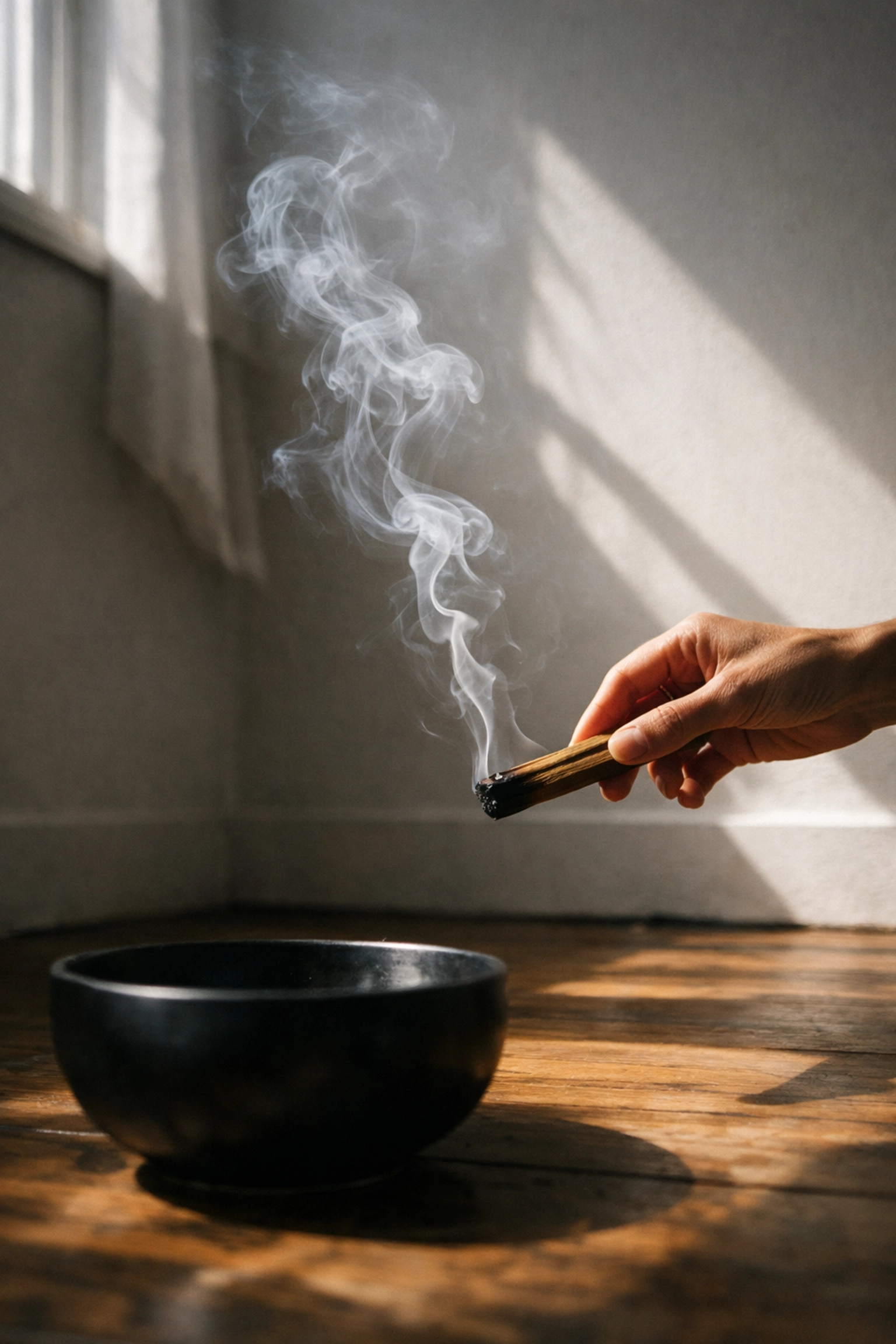
Stagnant energy loves to hide in forgotten places, think closets, corners, behind doors, and under furniture. Don't just wave your stick around the center of the room and call it a day. Move methodically through your space, paying special attention to these overlooked areas.
Mistake #5: Not Having a Fireproof Dish Ready
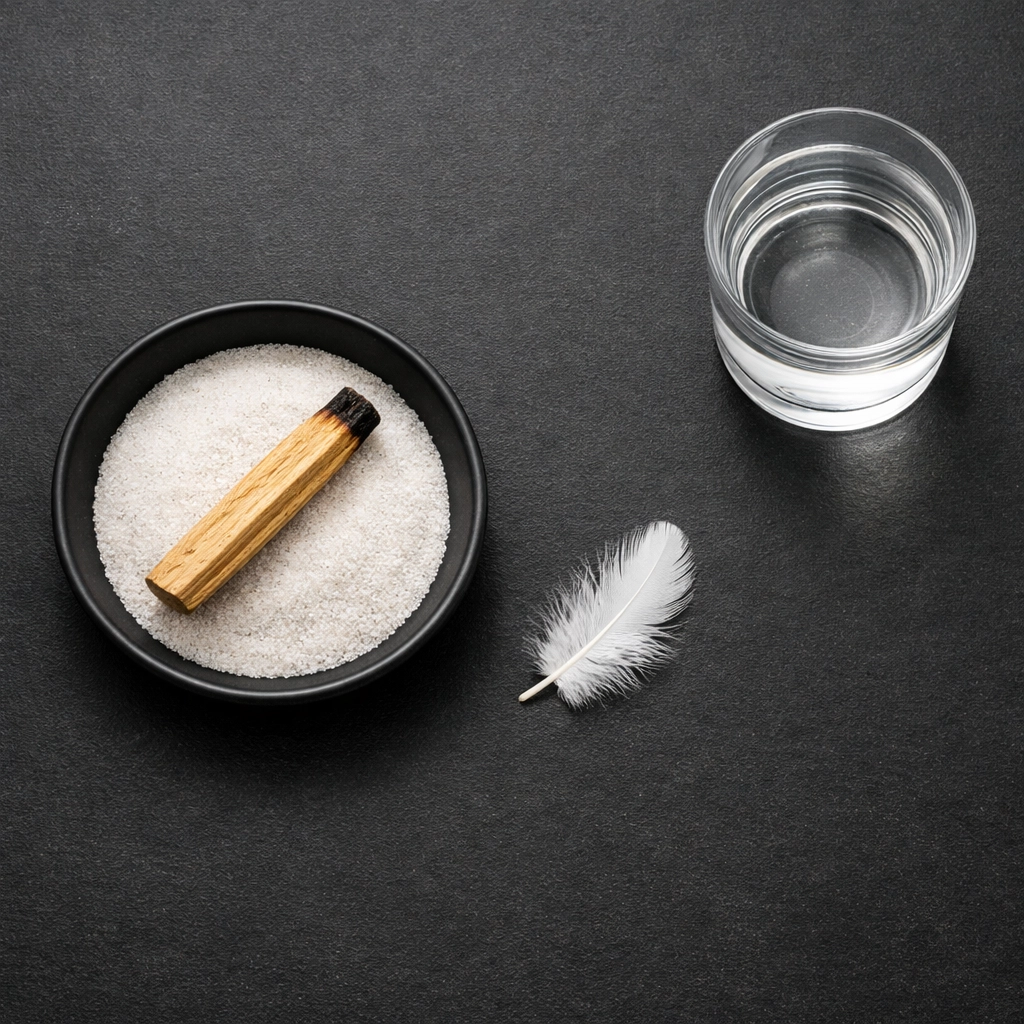
Please, for the love of all things holy, don't just set your burning stick on your wooden coffee table. Use a ceramic dish, an abalone shell, or a metal bowl filled with sand. Keep it nearby as you move through your space so you have somewhere safe to rest the stick.
Your Step-by-Step Beginner Guide to Smudging with Palo Santo
Alright, let's get into the actual how-to. This is your foolproof smudge guide for first-timers.
Step 1: Prep Your Space
Open at least one window in each room you plan to smudge. Set up your fireproof dish in a central location. Have a cup of water nearby just in case (safety first, friends).
Step 2: Set Your Intention
Take three deep breaths. Get clear on why you're doing this. You can say your intention out loud or keep it in your mind: whatever feels natural to you.
Step 3: Light Your Palo Santo Stick
Hold the stick at a 45-degree angle and light the end with a match or lighter. Let the flame catch for about 30 seconds. You want to see a decent ember glowing before you blow it out. When you gently blow out the flame, you should see a steady stream of fragrant smoke.
Step 4: Guide the Smoke
Use your hand (or a feather if you're feeling fancy) to direct the smoke throughout your space. Start at your front door and move clockwise through each room. Pay attention to corners, doorways, windows, and any areas that feel heavy or stagnant.
As you move, you can repeat your intention silently or out loud. Some people like to say simple phrases like "I release what no longer serves me" or "I welcome in peace and clarity."
Step 5: Let It Burn Out Safely
When you're done, place your palo santo stick in your fireproof dish and let it burn out naturally. Or, if you need to extinguish it sooner, gently stamp it out against the dish.
How Often Should You Actually Smudge?
There's no magic number here: it's really about what feels right for you. Some people smudge their space:
- Once a week as part of their Sunday reset ritual
- During new moons or full moons for extra energetic oomph
- After having guests over (especially if someone brought weird vibes)
- When they move into a new home or start a new job
- Anytime the energy just feels... off
Think of smudging like the energetic equivalent of our shower steamers: it's a simple ritual that helps you hit reset and feel more grounded.
Palo Santo vs. Sage: What's the Difference?
If you've been researching smudging, you've probably also come across white sage. Here’s the simplest (and most helpful) way to think about it:
Both sage and palo santo can cleanse a space and lift the overall vibe. They’re both used to clear out heaviness, reset energy, and help you feel more grounded. The key difference is what they’re most prized for.
White sage is more intense. It’s like the deep-clean, strip-everything-away option—powerful for major clearing after big life events, conflicts, or when a space feels seriously “stuck.”
Palo santo is gentler and more inviting. Yes, it clears—but it’s specifically beloved for its healing properties (both emotional and physical). People reach for palo santo when they want comfort, calm, and that “exhale” feeling—like you’re not just clearing the room, you’re also soothing your nervous system and calling in a softer, more supported energy.
A good rule of thumb:
- Use sage when you want a full reset.
- Use palo santo when you want a reset plus a healing, heart-lifting vibe.
Both are legitimate tools: you don't have to pick just one. Many people keep both on hand for different situations.
The Bottom Line on Your Smudging Practice
Starting a smudging practice with palo santo doesn't have to be complicated or intimidating. The real "secrets" are pretty simple:
- Source ethically (seriously, this matters)
- Set clear intentions (this is what makes it work)
- Be consistent (make it a ritual, not a one-time thing)
- Trust yourself (there's no "wrong" way to do this)
Just like we believe in using clean, natural ingredients in our skincare rituals, your energy-clearing rituals deserve the same level of thoughtfulness and care. Your space is where you rest, create, and recharge: treat it (and yourself) with intention.
Now go ahead and light that stick. You've got this.