
So you're thinking about making the switch from your usual drugstore shelf staples to something a little more... intentional. Maybe you've been eyeing those apothecary brands with their amber glass bottles and ingredient lists you can actually pronounce. Or maybe you're just tired of slathering on products that feel like they're 90% filler and 10% "stuff that might actually work."
Either way, welcome. You're in the right place.
Transitioning to clean, handcrafted skincare isn't as intimidating as it might seem, but there are a few things worth knowing before you dive in headfirst. Think of this as your friendly guide to understanding what makes apothecary beauty different, why it matters, and how to make the switch without overthinking it.
1. "Handcrafted" Actually Means Something Here
When a mass-market brand says "handcrafted," they usually mean someone pushed a button on a very large machine. When an apothecary like Hyssop says handcrafted, we mean actually made by hand, in small batches, by real humans who care about what they're doing.
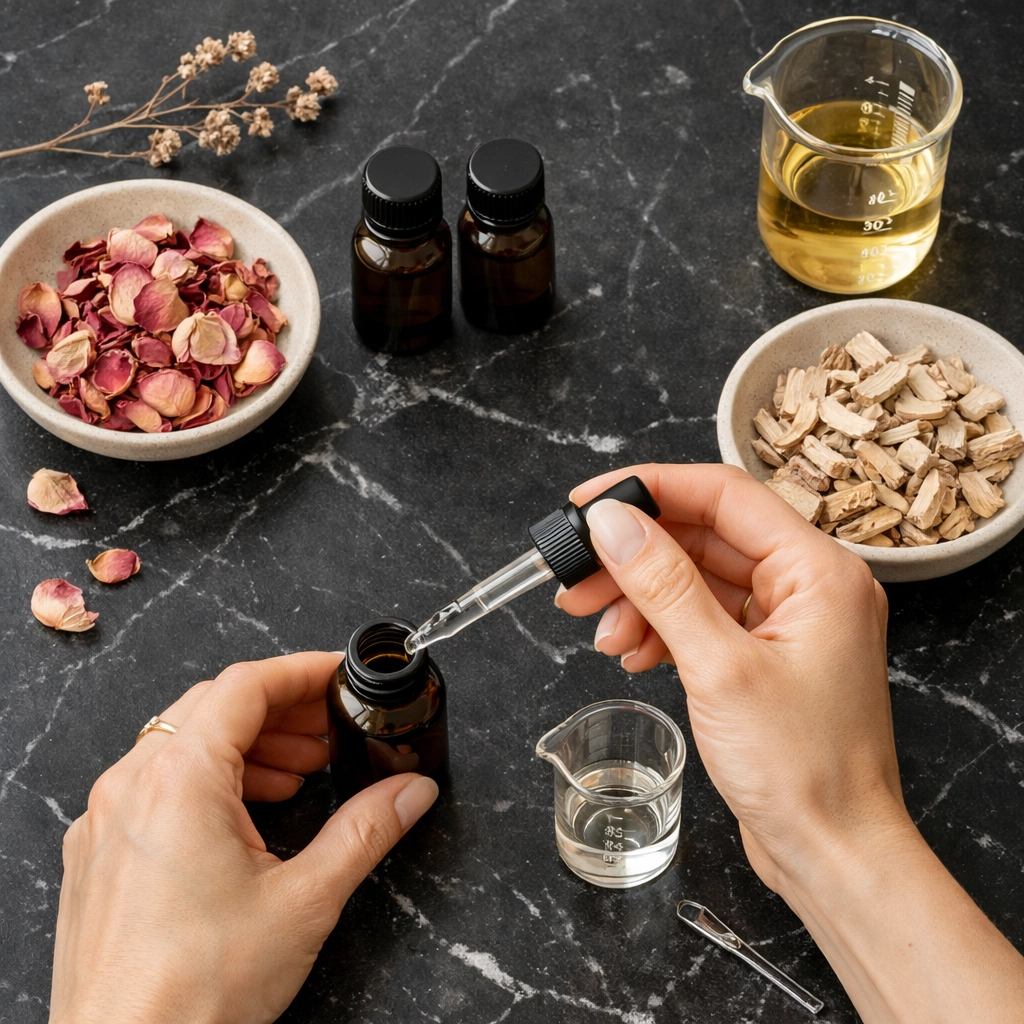
There's no factory line churning out thousands of identical bottles. Instead, ingredients are carefully measured, blended, and bottled in micro-batches to ensure freshness and potency. This is why apothecary skincare often feels more alive, because it kind of is. You're getting products that were formulated recently, with ingredients at their peak effectiveness, not something that's been sitting in a warehouse for 18 months.
The downside? You won't find apothecary products in every Target nationwide. The upside? What you do get is exponentially better quality.
2. No Fillers Means Your Skin Gets More of What It Needs (And None of What It Doesn't)
Here's the thing about mass-market skincare: a lot of it is basically fancy water with a few active ingredients sprinkled in. Fillers, stabilizers, synthetic fragrances, preservatives that extend shelf life to infinity, all of that takes up space where beneficial ingredients could be.
Apothecary formulations flip that script. Every ingredient has a purpose. Take Hyssop's All Natural Face Wash with rose hydrosol and white willow bark, for example. Rose hydrosol isn't just there to smell pretty (though it does), it's a gentle hydrator and anti-inflammatory. White willow bark is nature's salicylic acid, helping to gently exfoliate and keep pores clear without the harshness of synthetic acids.
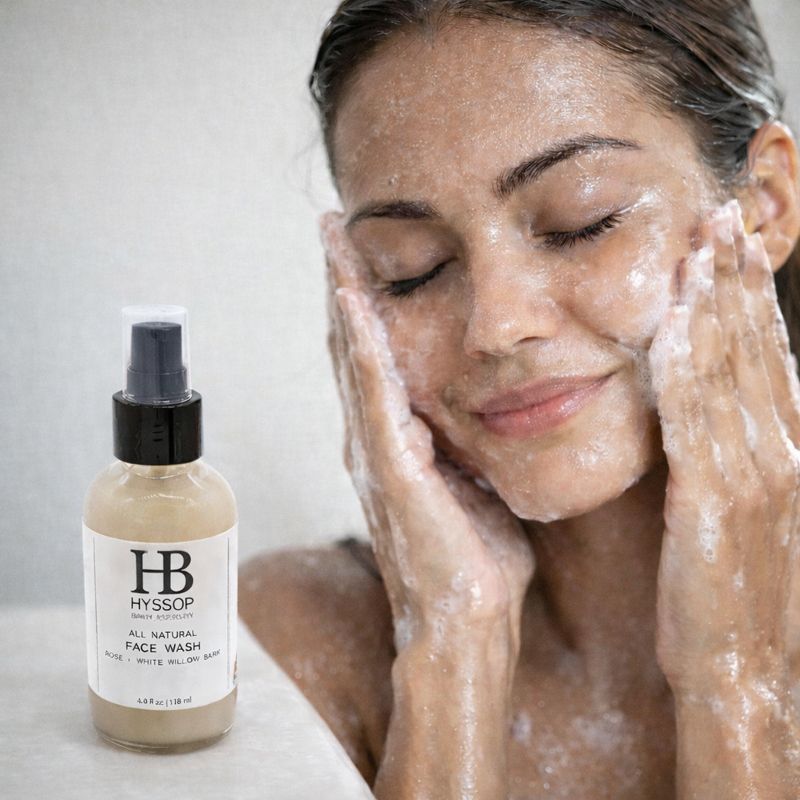
No room for nonsense. Just ingredients working together to actually do something for your skin.
3. Glass Packaging Isn't Just Aesthetic (But It Does Look Good)
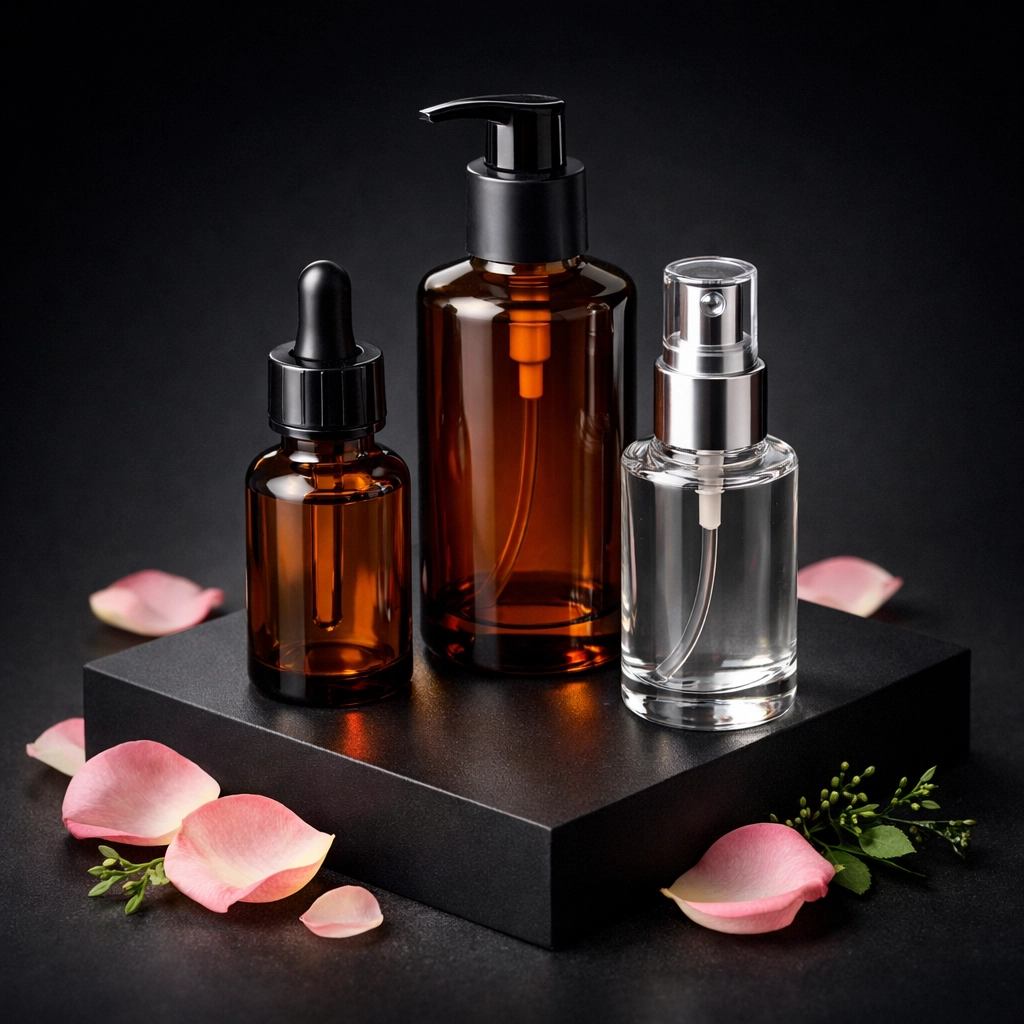
Yes, those amber and clear glass bottles are gorgeous. But they're not just for the 'gram: glass packaging actually matters for product integrity.
Certain active ingredients (like the phyto-retinol in serums or vitamin C derivatives) can degrade when exposed to light or when stored in plastic. Glass protects these ingredients better, keeping them stable and effective for longer. Plus, glass is infinitely recyclable and doesn't leach chemicals into your skincare the way some plastics can.
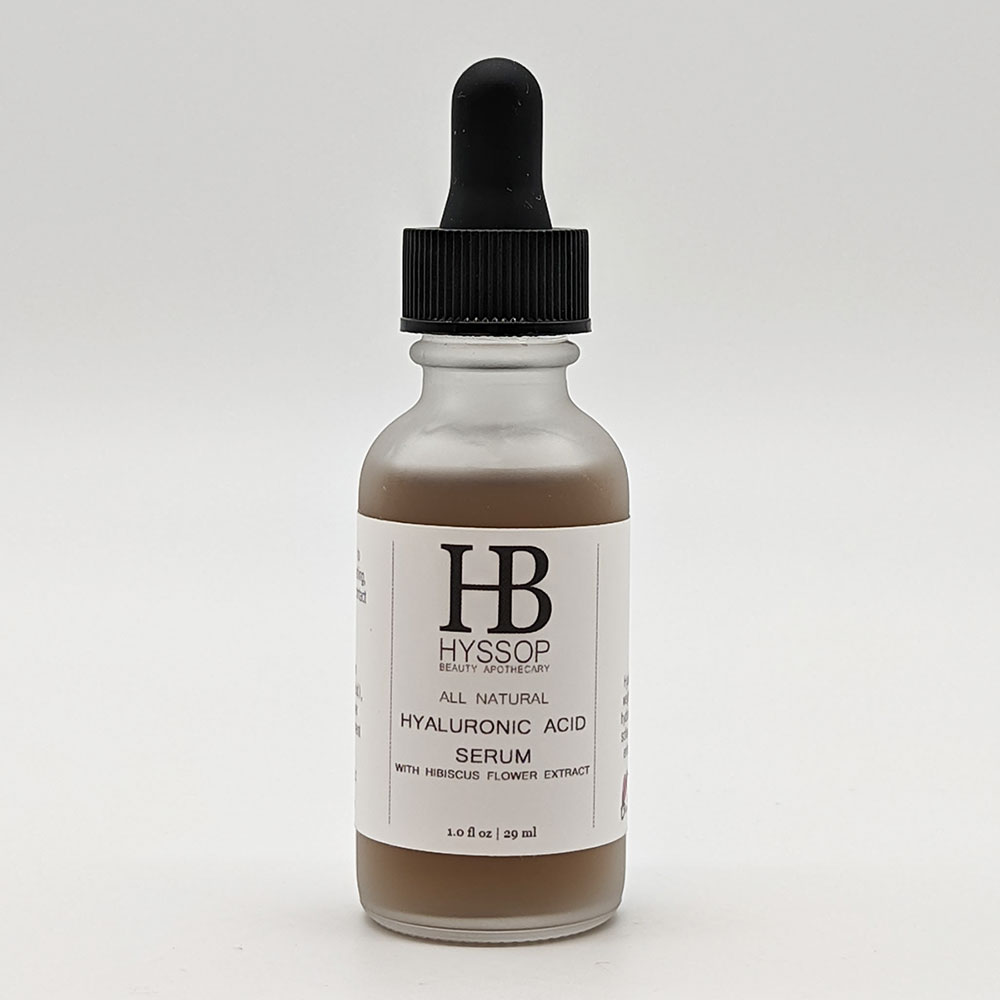
At Hyssop, you'll notice everything from the Hyaluronic Acid Serum to body lotions comes in glass. It's a small detail that makes a big difference: for your skin and for the planet.
4. Your Skin Might Go Through an Adjustment Period (And That's Normal)
If you've been using conventional skincare for years, your skin has probably gotten used to synthetic emollients, silicones, and heavy occlusives that create a temporary "smooth" feeling. When you switch to plant-based oils and botanicals, your skin might need a minute to recalibrate.
This doesn't mean the products aren't working: it means your skin is learning to function the way it's supposed to again. You might notice a bit of purging (especially if you're switching to products with gentle exfoliants like white willow bark), or your skin might feel different texturally at first.
Give it two to four weeks. Your skin will adjust, and once it does, you'll likely notice it looks healthier, more balanced, and way less dependent on products to feel "normal."
5. Ingredients Like Rose Hydrosol and Hibiscus Extract Are the Quiet Overachievers
You've probably heard of hyaluronic acid and vitamin C: they're the superstars everyone talks about. But apothecary skincare introduces you to ingredients that have been used for centuries and are just as effective, if not more so.
Rose hydrosol (the aromatic water left over from steam-distilling roses) is intensely hydrating and soothing. It's gentle enough for sensitive skin but powerful enough to reduce redness and irritation.
Hibiscus extract is loaded with natural AHAs (alpha hydroxy acids) that gently exfoliate and promote cell turnover, which is why it's a key ingredient in Hyssop's Hyaluronic Acid Serum. It's also rich in antioxidants that help fight signs of aging.
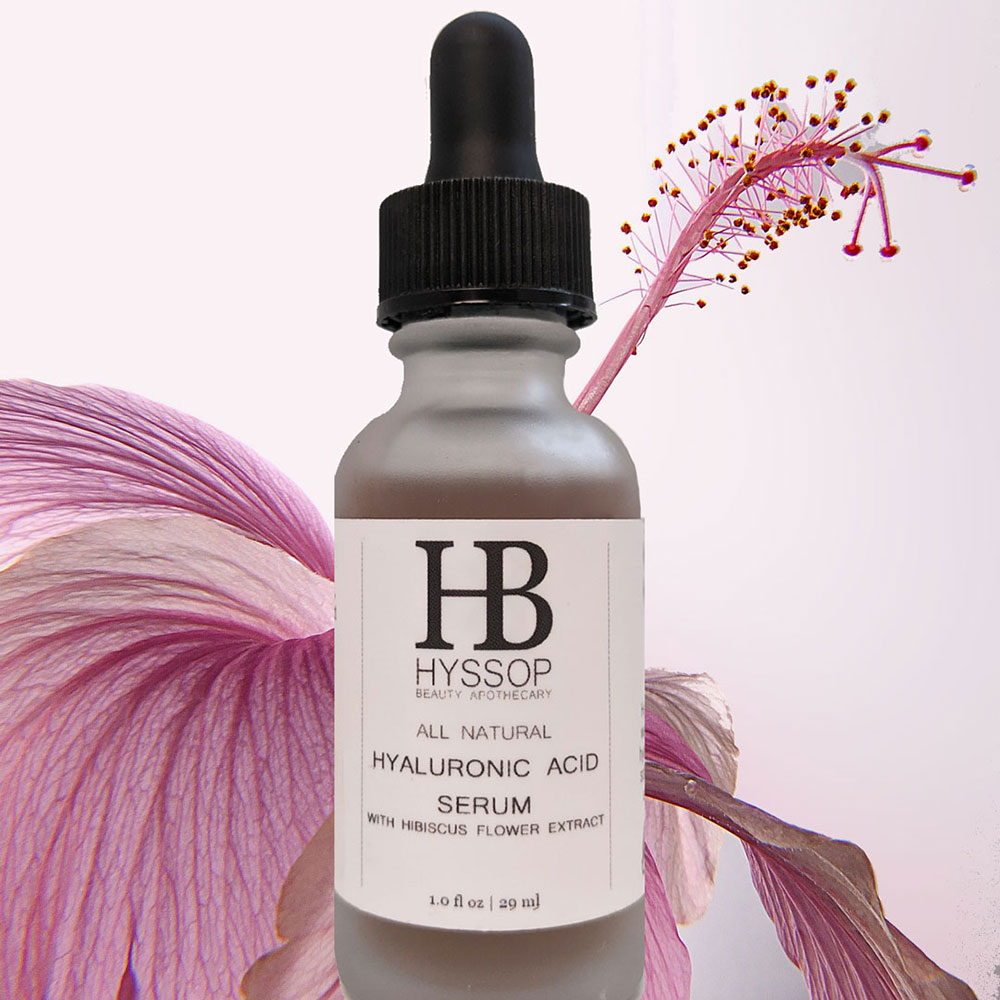
White willow bark acts as a natural exfoliant without the irritation of synthetic salicylic acid, making it ideal for acne-prone or sensitive skin types.
These aren't trendy Instagram ingredients: they're tried-and-true botanicals that have stood the test of time because they actually work.
6. You Don't Need 12 Steps (Seriously)
One of the best parts about switching to apothecary skincare? You can simplify. Because the products are so concentrated and purposefully formulated, you don't need a complicated 10-step routine to see results.
A typical Hyssop routine might look like this:
Morning:
- Cleanse with the All Natural Face Wash
- Apply Hyaluronic Acid Serum while skin is still damp
- Follow with a Facial Oil to lock it all in
Evening:
- Cleanse
- Apply a treatment serum (like the Phyto-Retinol Complex)
- Seal with facial oil
That's it. Three to four products, max. No 47-step Korean beauty routine required (unless that's your thing, in which case, go for it).
The key is that each product is doing real work, so you don't need five different things to accomplish what one well-formulated serum can do.
7. Supporting Small-Batch Apothecaries Means Supporting a Different Kind of Beauty Industry
When you buy from a small apothecary, your money isn't going to a faceless corporation with a hundred-million-dollar marketing budget. It's going to someone who is deeply invested in their craft: someone who sources ingredients carefully, tests formulations obsessively, and genuinely cares about what goes on your skin.
It also means you're supporting more sustainable practices. Small-batch production means less waste. Local sourcing (when possible) means a smaller carbon footprint. And the focus on quality over quantity means you're buying fewer products overall, which is better for your wallet and the environment.
Plus, let's be honest: there's something special about using products that were made with intention and care, rather than churned out by the millions.
Making the Switch: Final Thoughts
Transitioning to clean, handcrafted skincare isn't about being perfect or overhauling your entire routine overnight. Start with one or two products: maybe a cleanser and a serum: and see how your skin responds. Pay attention to how it feels, not just how it looks.
Apothecary beauty is about slowing down, being intentional, and treating your skin with the respect it deserves. It's about choosing ingredients that nourish rather than just cosmetically "fix." And honestly? Once you make the switch, it's hard to go back.
Your skin will thank you. And so will the planet.
Ready to explore? Check out the full Hyssop skincare collection and see what speaks to you. And if you're ever unsure where to start, the All Natural Face Wash and Hyaluronic Acid Serum are solid entry points that work for just about everyone.
Welcome to apothecary beauty. It's good to have you here. 🌿