Welcome back to Clean Beauty 101! If you've been following along, you've already mastered how to read ingredient labels in Part 1 and memorized the Dirty Dozen ingredients to avoid in Part 2. Now it's time to tackle the trickiest part of clean beauty: greenwashing.
You know that feeling when you're standing in the skincare aisle, holding a bottle covered in leaves and the word "natural" stamped everywhere, only to flip it over and find parabens, synthetic fragrance, and a chemical you can't pronounce? Yeah. That's greenwashing, and it's everywhere.
Let's break down how big brands trick you into thinking their products are clean, and how you can become too smart to fall for it.
What Is Greenwashing, Anyway?
Greenwashing is when a brand makes a product seem more natural, eco-friendly, or non-toxic than it actually is. They use strategic wording, misleading certifications, pretty green packaging, and a whole lot of botanical vibes to create an illusion of sustainability without making any meaningful changes to their formulas.
Think of it as skincare catfishing. The packaging says "pure," "natural," and "clean," but the ingredient list tells a very different story.
The worst part? Most of these buzzwords have no legal definition. The FDA doesn't regulate terms like "clean," "natural," "non-toxic," or "chemical-free," which means brands can slap them on literally anything. Even if the second ingredient is a Dirty Dozen offender.
Common Greenwashing Tactics (And How to Spot Them)
1. The "Natural" Smokescreen
Just because a product says "natural" doesn't mean it's good for you. Poison ivy is natural. Arsenic is natural. You get the idea.
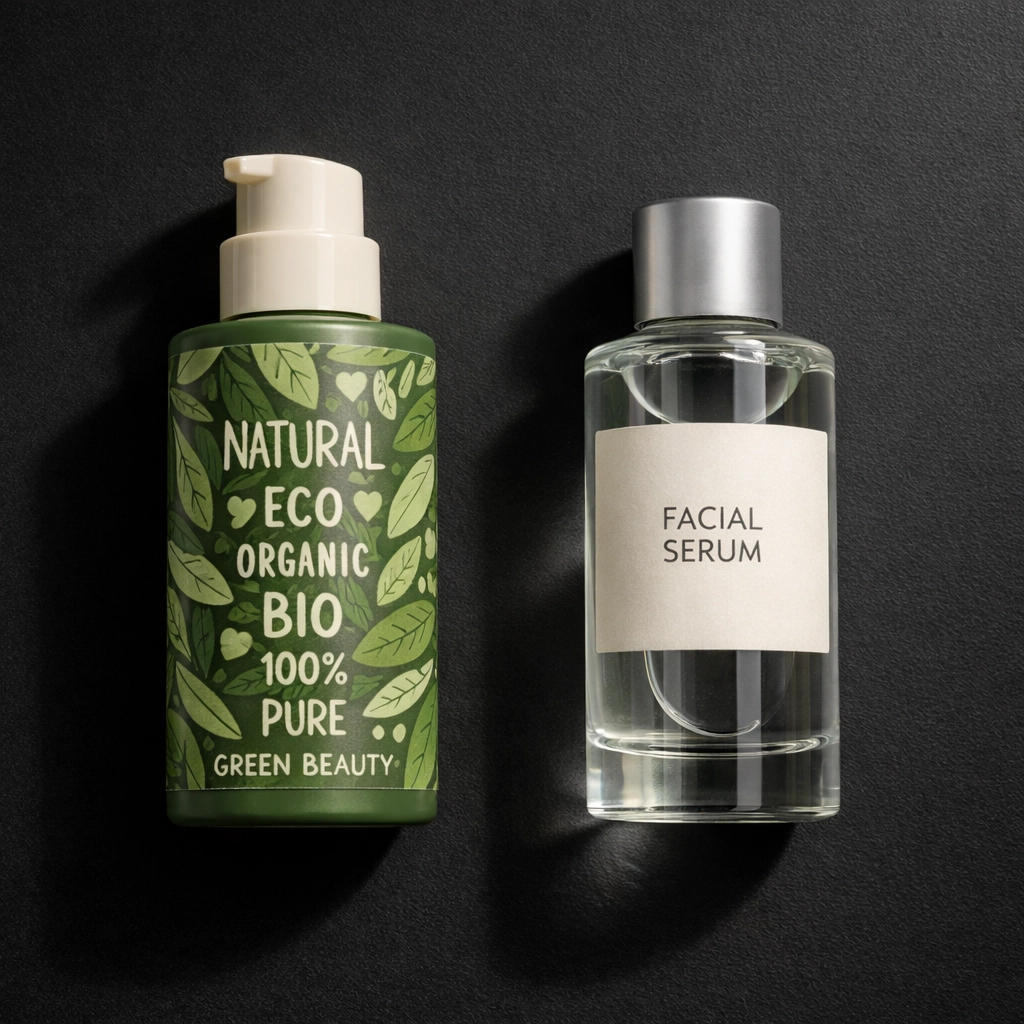
Brands love to highlight one or two botanical ingredients on the front label (hello, aloe vera and chamomile extract) while burying synthetic fragrance, parabens, and phthalates deep in the ingredient list. They're technically not lying: there is some plant stuff in there: but it's surrounded by junk.
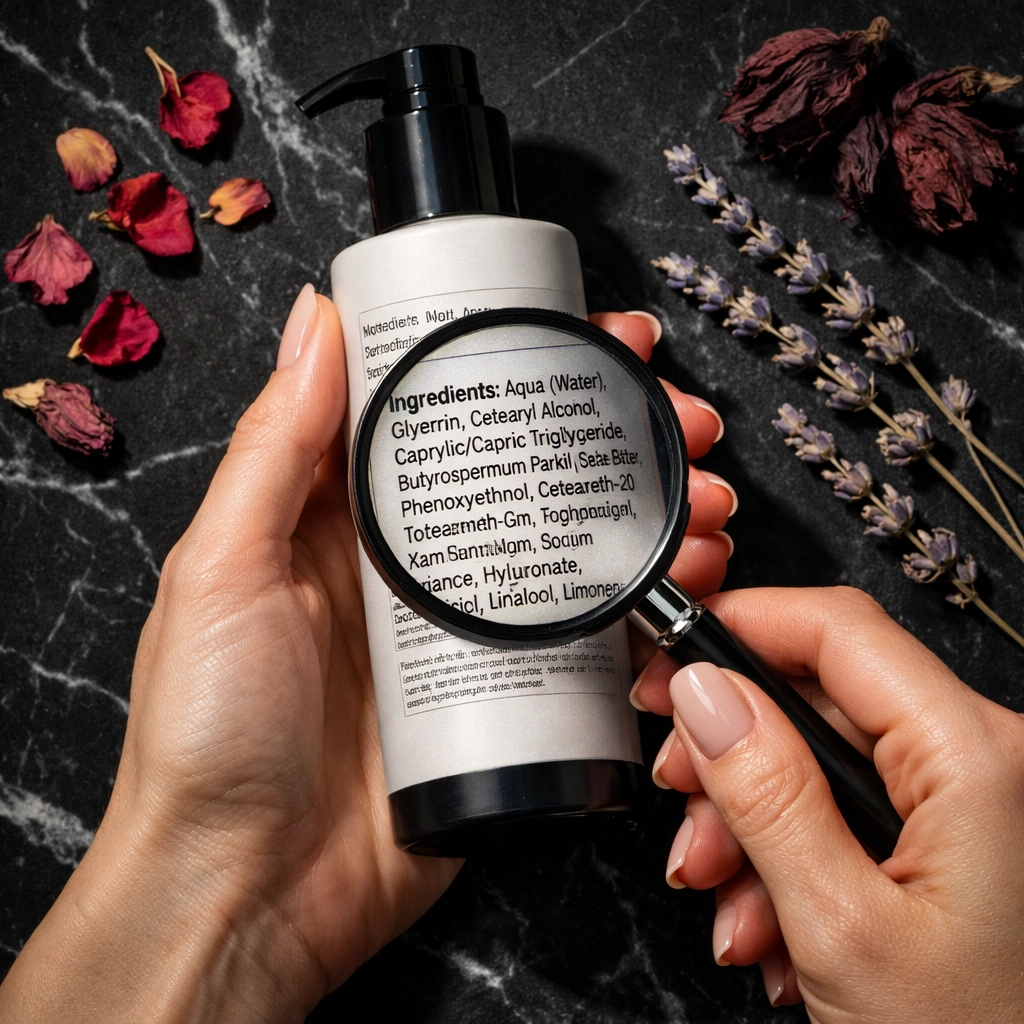
Red Flag: If a product screams "natural" on the front but lists "fragrance" or "parfum" in the ingredients, you're being greenwashed. (Remember from Part 2: "fragrance" can hide over 3,000 undisclosed chemicals, including hormone disruptors.)
2. "Chemical-Free" Is a Lie
Let's get one thing straight: everything is made of chemicals. Water is a chemical (H₂O). Plant extracts are chemicals. Even the air you're breathing right now is made of chemicals.
When a brand says "chemical-free," they're either scientifically illiterate or banking on you being intimidated by big words. Either way, it's a red flag.
What they should say is "free from synthetic chemicals" or "free from harmful additives," but that's not as catchy, is it?
3. Vague Language and "Proprietary Blends"
Some brands call their products "clean" but refuse to disclose full ingredient lists, hiding behind phrases like "proprietary blend" or "trade secret formula." If a brand won't tell you what's in the bottle, assume the worst.
At Hyssop Beauty Apothecary, we list every single ingredient: no exceptions. If we use rose hydrosol, hibiscus extract, or jojoba oil, you'll see it on the label. Transparency isn't optional; it's the whole point.
4. Fake or Meaningless Certifications
Ever seen a product with a fancy "seal of approval" that looks official but doesn't actually mean anything? Brands love to slap on badges like "dermatologist-tested," "hypoallergenic," or "clinically proven" without any real oversight.
Here's the thing: "dermatologist-tested" doesn't mean dermatologist-approved. It just means a dermatologist looked at it once. Maybe they even liked it. But there's no standardized testing or ingredient requirements behind that claim.
What to Look For Instead: Credible certifications like EWG Verified, USDA Organic, Leaping Bunny (cruelty-free), or NSF Organic actually have strict standards. If a brand has one of these, they've done the work.
5. Green Packaging ≠ Green Product
Brands know that consumers associate earthy tones, minimalist fonts, and leafy graphics with "clean" products. So they slap on some sage green packaging, add a few botanical illustrations, and call it a day: even if the formula inside is the same old synthetic mess.
Don't fall for aesthetics alone. A product can come in recycled packaging and still contain endocrine disruptors. (Though we do appreciate brands that use glass bottles and refillable options: like we do.)
How Greenwashing Hides the Dirty Dozen
Remember the Dirty Dozen from Part 2? Parabens, phthalates, synthetic fragrance, sulfates, formaldehyde-releasing preservatives, and all the rest? Greenwashing exists specifically to distract you from those ingredients.
Here's how it works:
- A brand puts "lavender essential oil" on the front label to give you botanical vibes.
- Then they bury "fragrance" (which can contain phthalates), "methylparaben," and "DMDM hydantoin" (a formaldehyde-releaser) on the back.
- You see "natural" and "soothing lavender" and assume it's clean. Boom: greenwashed.
If you've done your homework and know the Dirty Dozen, you'll catch it. But most people don't flip the bottle over, and brands are counting on that.
The "Organic" Trap
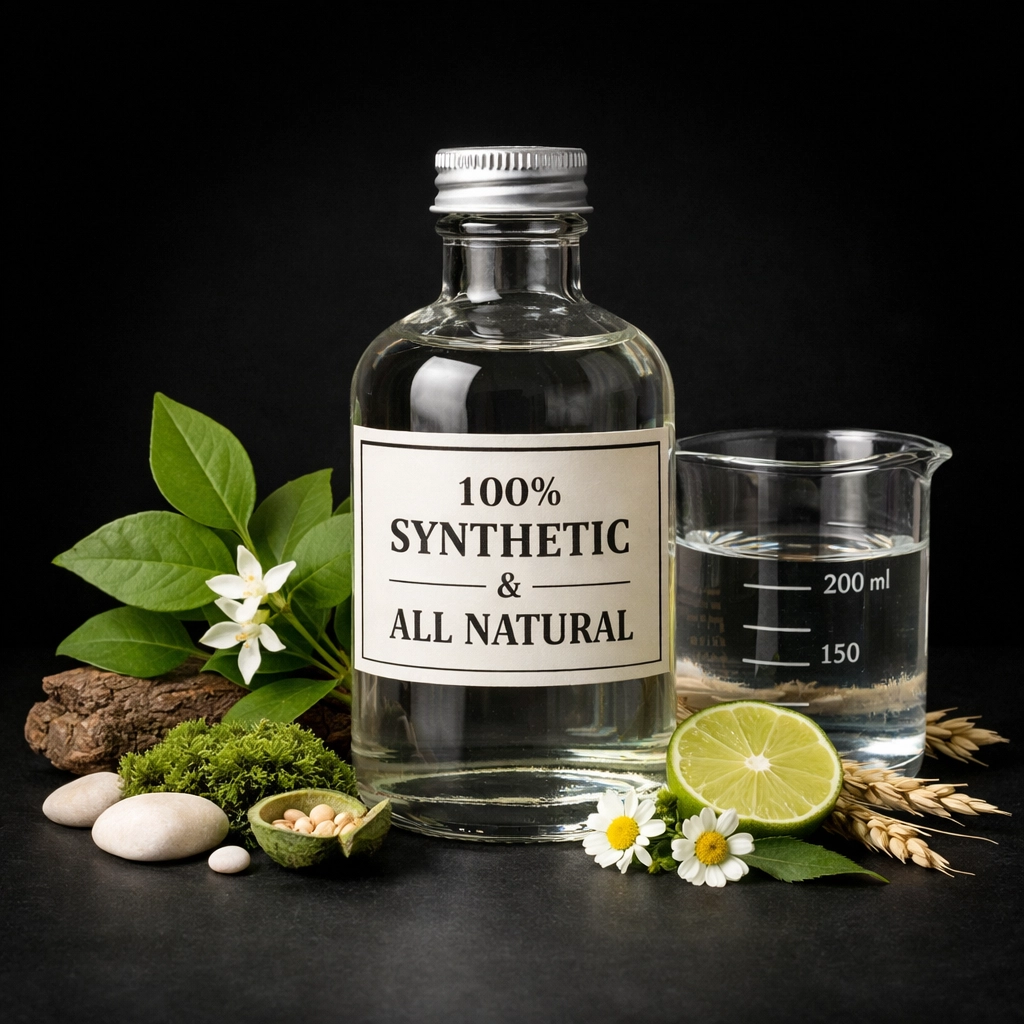
Here's another one that trips people up: "organic" doesn't automatically mean "safe."
A product can be made with organic ingredients and still contain allergens, irritants, or ineffective formulations. Organic poison ivy is still poison ivy. And just because something is plant-based doesn't mean it's gentle on your skin: some essential oils, for example, can cause sensitivity or photosensitivity if used incorrectly.
The key is knowing which organic ingredients are beneficial and how they're formulated. Our All Natural Face Wash uses rose hydrosol and white willow bark because they're proven to cleanse and gently exfoliate: not just because they sound pretty.
What Real Transparency Looks Like
So how do you spot a brand that's actually clean versus one that's just good at marketing?
Real clean beauty brands:
- List every ingredient, clearly and completely
- Explain why they use certain ingredients and why they exclude others
- Avoid the Dirty Dozen (and tell you so)
- Use minimal, recyclable, or refillable packaging
- Make products in small batches to ensure freshness
- Are willing to answer your questions about sourcing, manufacturing, and formulation
At Hyssop, we make everything on-site in small batches. We use plant-based ingredients, pure essential oils (never synthetic fragrance), and glass bottles whenever possible. We're not perfect, but we're honest about what we do and why we do it. You can check out our full ingredient philosophy on our About Us page.
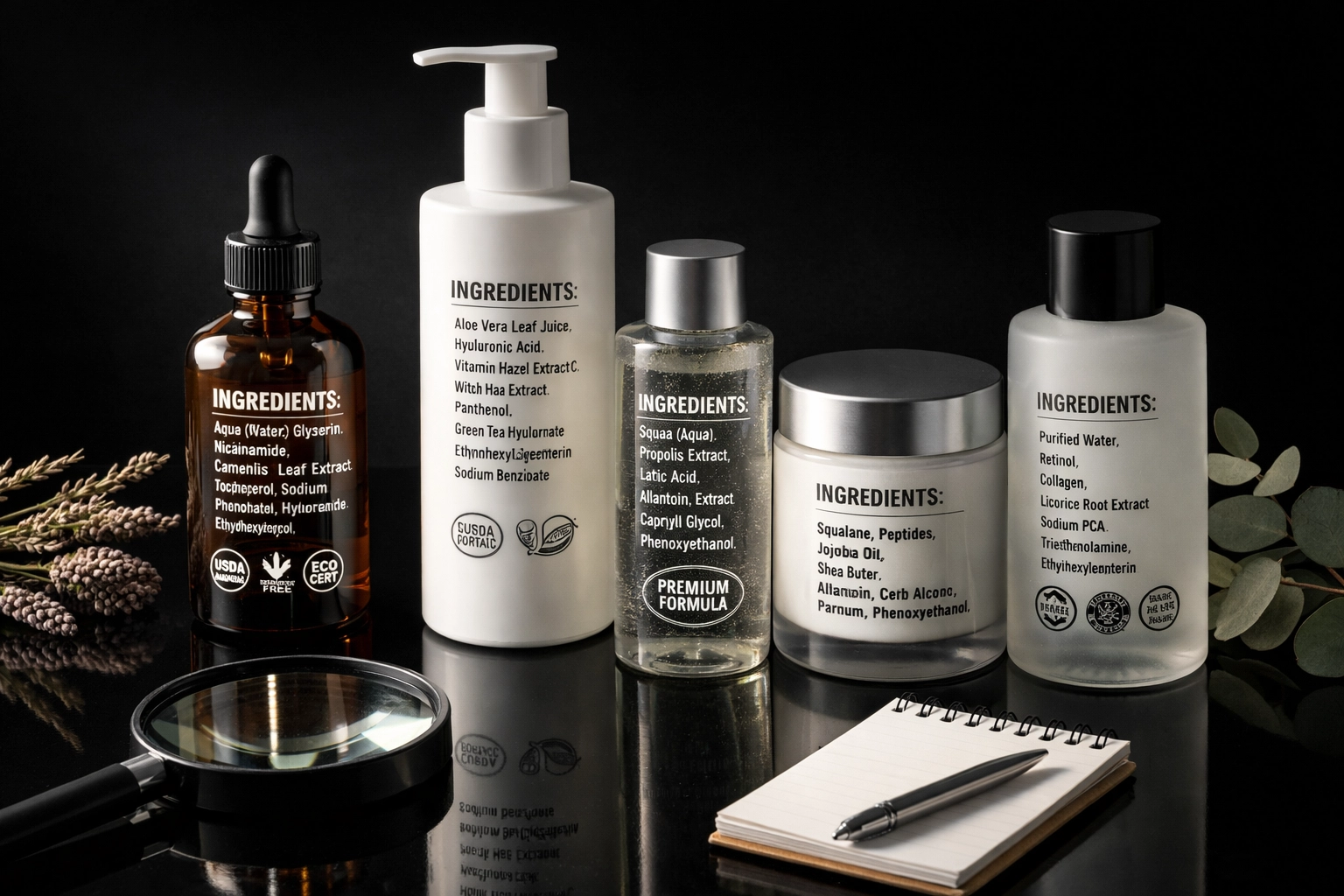
Your Greenwashing Cheat Sheet
Here's a quick reference guide to keep in your back pocket (or screenshot for your next Target run):
Immediate Red Flags:
- "Chemical-free" (scientifically impossible)
- "Fragrance" or "parfum" in the ingredients
- Vague terms like "proprietary blend" without disclosure
- "Natural" on the front, parabens on the back
- Green packaging with no ingredient transparency
Green Flags:
- Full ingredient disclosure
- Third-party certifications (EWG, USDA Organic, Leaping Bunny)
- Clear explanations of what's in the formula and why
- Absence of Dirty Dozen ingredients
- Small-batch or on-site manufacturing
- Glass, refillable, or minimal packaging
The Bottom Line
Greenwashing works because it preys on trust. Brands know you want to make better choices, so they give you the illusion of "clean" without doing the actual work. But now that you know how to read labels (Part 1), avoid the Dirty Dozen (Part 2), and spot greenwashing tactics (Part 3), you're equipped to cut through the BS.
The beauty industry won't regulate itself, so it's up to us: brands and consumers: to demand better. And honestly? Once you start using truly clean, transparent products, you'll wonder how you ever settled for anything less.
Want to see what real clean beauty looks like? Check out our skincare collection: every ingredient listed, every product made with intention, and zero greenwashing nonsense.
Stay smart, stay skeptical, and keep reading those labels. 🌿✨