Welcome back, label readers!
If you caught Part 1 of our Clean Beauty 101 series, you're now equipped with the skills to actually read those tiny ingredient lists on your skincare products. Go you! But here's the thing, knowing how to read a label is only half the battle. Now you need to know what to watch out for.
Enter: The Dirty Dozen.
No, we're not talking about that old war movie your grandpa loves. We're talking about twelve chemical ingredients that pop up in mainstream beauty products way more often than they should. A Canadian study found that a whopping 80% of tested personal care products contained at least one of these problematic ingredients. Yikes.
So grab your favorite beverage, settle in, and let's break down exactly what these sneaky ingredients are, and why your skin (and body) will thank you for avoiding them.
What Exactly Is "The Dirty Dozen"?
The Dirty Dozen is a list of twelve chemical ingredients that clean beauty advocates have identified as potentially harmful to your health. These aren't just ingredients that might cause a little redness. We're talking about chemicals linked to hormone disruption, skin irritation, allergic reactions, and in some cases, more serious health concerns.
The frustrating part? Many of these ingredients are still perfectly legal and widely used. They're in your shampoo. Your moisturizer. Maybe even your "natural" products (more on greenwashing another day).
Let's meet the troublemakers, shall we?
The Dirty Dozen: Meet Your Skin's Least Favorite Guests
1. Parabens (Methylparaben, Propylparaben, Butylparaben)
The deal: Parabens are preservatives that extend shelf life. Sounds innocent enough, right? Wrong. They're proven endocrine disruptors that mimic estrogen in your body. Studies have even found parabens in breast cancer tumors. Not exactly what you want absorbing into your skin daily.
Where they hide: Shampoos, makeup, moisturizers, deodorants
2. Sodium Lauryl Sulfate (SLS) & Sodium Laureth Sulfate (SLES)
The deal: These are the guys responsible for that satisfying lather in your cleanser. But here's the catch, they strip your skin and hair of natural oils, causing dryness and irritation. Even worse, SLES is often contaminated with 1,4-dioxane, a probable carcinogen. These chemicals show up in about 90% of foaming products. Ninety percent!
Where they hide: Shampoos, body washes, facial cleansers, toothpaste
3. Fragrance/Parfum
The deal: This is the sneakiest one on the list. "Fragrance" is basically a catch-all term that can include up to 3,000 different chemical ingredients. Brands aren't required to disclose what's actually in their fragrances, so you could be getting parabens, hormone disruptors, allergens, and who knows what else, all hiding behind one innocent-sounding word.
Where they hide: Nearly everything scented
4. DEA, MEA, and TEA
The deal: These create that foaming action we mentioned. They may trigger allergic reactions and can form carcinogenic compounds when combined with other ingredients.
Where they hide: Facial cleansers, soaps, eye makeup, hair products, sunscreens
5. Formaldehyde-Releasing Preservatives
The deal: Look for names like Quaternium-15, DMDM Hydantoin, Imidazolidinyl Urea, and Diazolidinyl Urea. These preservatives slowly release formaldehyde, yes, the same stuff used in embalming. It's a known carcinogen linked to skin reactions, headaches, and allergic responses.
Where they hide: Skincare products, shampoos, conditioners, cosmetics

6. Mineral Oil & Petrolatum
The deal: These petroleum by-products coat your skin like plastic wrap. Sounds protective, but it actually clogs pores and prevents your skin from doing its natural thing, like eliminating toxins and breathing. Hello, breakouts.
Where they hide: Creams, ointments, cosmetics
7. Phthalates
The deal: Originally used to make plastics more flexible, phthalates have snuck their way into beauty products. They're linked to reproductive and developmental issues. The kicker? They're often hidden under "fragrance" on labels.
Where they hide: Fragrance oils, various cosmetics
8. Polyethylene Glycol (PEG)
The deal: PEGs can alter and reduce your skin's natural moisture factor. They're also often contaminated with ethylene oxide and 1,4-dioxane, both of which are concerning.
Where they hide: Cleansers, especially ones designed to cut through oil
9. Propylene Glycol & Butylene Glycol
The deal: These penetrate the skin quickly and can potentially weaken protein and cellular structure. They're used to help other ingredients absorb better: which isn't great when those "other ingredients" are also on this list.
Where they hide: Various skincare products
10. Siloxanes
The deal: These make products feel silky smooth, but they're suspected endocrine disruptors and may affect reproduction. They're also harmful to aquatic life, so they're not doing the environment any favors either.
Where they hide: Cosmetics that promise to soften, smooth, and moisturize
11. BHA & BHT
The deal: Butylated Hydroxyanisole and Butylated Hydroxytoluene are preservatives that are potential endocrine disruptors and suspected carcinogens.
Where they hide: Lip products, moisturizers, various cosmetics
12. Coal Tar Dyes
The deal: Synthetic colorants derived from petroleum. They're linked to cancer and can cause allergic reactions. Look for "CI" followed by numbers, or names like "FD&C Blue No. 1."
Where they hide: Hair dyes, shampoos, colored cosmetics
The Green Flags: What to Look For Instead
Now that you know what to avoid, let's talk about the good stuff. When you're scanning labels, get excited when you see:
- Plant oils like jojoba, argan, and rosehip
- Natural preservatives like rosemary extract and vitamin E
- Mineral sunscreens with zinc oxide or titanium dioxide
- Plant extracts like chamomile, green tea, and aloe vera
These ingredients work with your skin instead of against it.
The Hyssop Approach: Clean Beauty, No Compromises
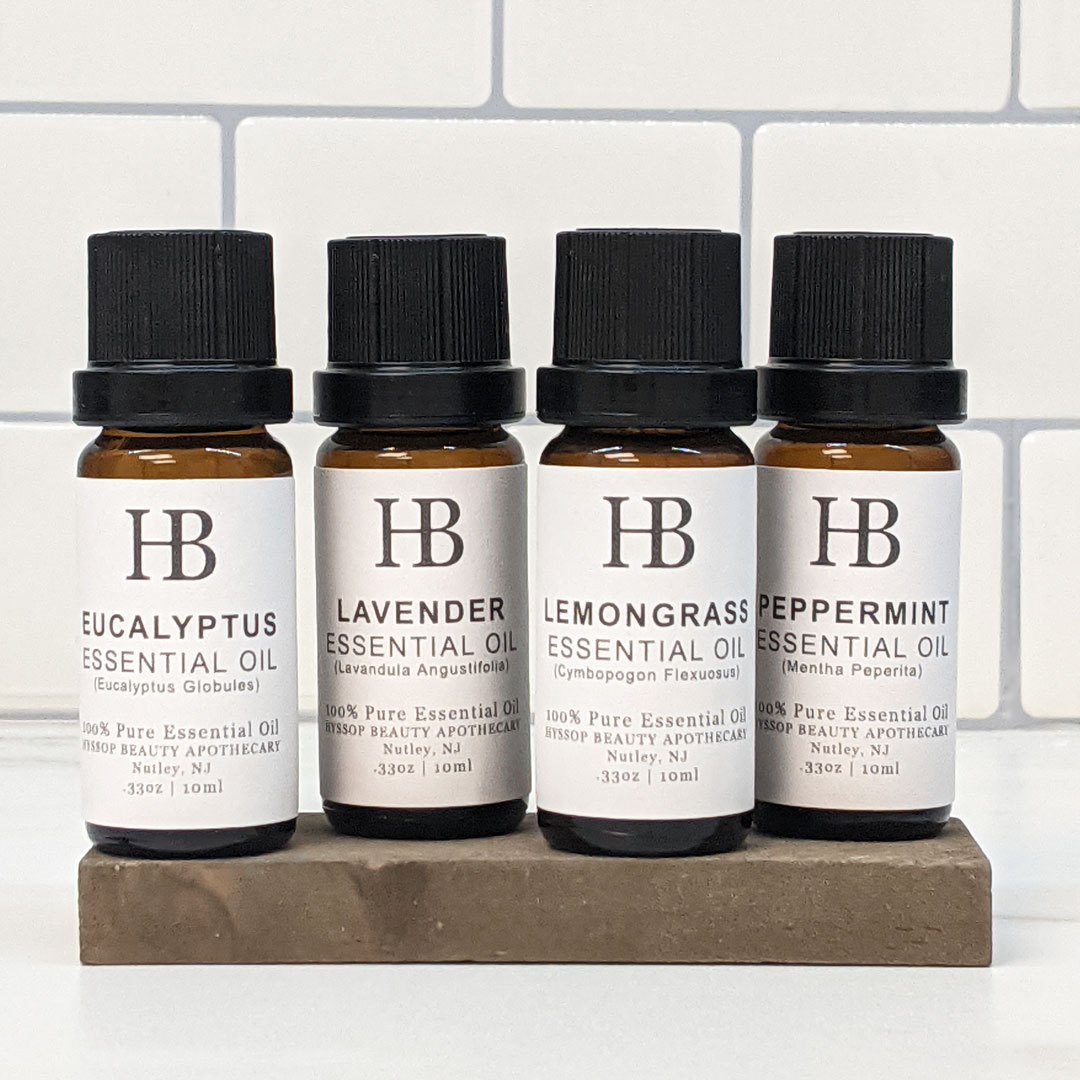
Here at Hyssop Beauty Apothecary, we're pretty obsessed with keeping things clean. Every product we create is handcrafted in small batches using natural ingredients you can actually pronounce. No Dirty Dozen here: just botanical goodness that your skin will genuinely love.
We believe that effective skincare doesn't require a chemistry lab full of questionable compounds. Our Facial Oil is packed with plant-based oils that nourish and protect. Our Essential Oils are pure and simple. No hidden fragrances, no sneaky preservatives, no petroleum derivatives.
Just real ingredients. Real results. Real clean beauty.
A Word About "Natural" Marketing
Before we wrap up, a quick PSA: be cautious of marketing buzzwords. Terms like "natural," "hypoallergenic," and "dermatologist tested" aren't regulated. They don't guarantee a product is free from the Dirty Dozen. The only way to know for sure is to flip that bottle over and read the ingredient list.
You've got the skills now. Use them!
Your Skin Deserves Better
Look, we're not here to make you paranoid about every product in your bathroom. But we are here to help you make informed choices. Your skin is your largest organ, and what you put on it matters.
The Dirty Dozen ingredients are worth avoiding when you can. And the good news? There are plenty of amazing clean beauty alternatives out there (including everything we make at Hyssop Beauty Apothecary, if we do say so ourselves).
Start small. Next time you run out of something, check the label before you repurchase. Swap one product at a time. Before you know it, your skincare routine will be cleaner, greener, and your skin will be happier for it.
#ReadYourLabels
Missed Part 1 of our Clean Beauty 101 series? Head back to our blog to learn how to read skincare labels like a pro. Stay tuned for more in this series: we've got thoughts on greenwashing, sustainable packaging, and more coming your way.