
Your skin barrier is basically your body's bouncer, keeping the good stuff in and the bad stuff out. When it's working properly, you barely notice it's there. But when it gets compromised? That's when the drama starts: tightness, redness, breakouts, sensitivity, and that perpetually thirsty feeling no amount of moisturizer seems to fix.
Let's talk about what's actually happening beneath the surface and how to support your skin's natural defense system with plant-powered ingredients.
What Is Your Skin Barrier, Anyway?
Think of your skin barrier like a brick wall. The "bricks" are dead skin cells called corneocytes, and the "mortar" holding everything together is a lipid matrix made up of cholesterol, fatty acids, and other naturally occurring skin lipids. This top layer, the stratum corneum, is only about as thick as a sheet of plastic wrap, but it's doing some seriously heavy lifting.
When everything's balanced, this barrier:
- Locks in hydration
- Blocks environmental aggressors (pollution, UV rays, irritants)
- Maintains your skin's slightly acidic pH (around 4.5-5.5)
- Supports a healthy microbiome
- Prevents allergens and bacteria from getting in
There's also filaggrin, a structural protein that keeps everything flat and organized while breaking down into amino acids that form your skin's natural moisturizing factor (NMF). Basically, your skin has its own built-in hydration system, pretty cool, right?
When Things Go Wrong
Barrier dysfunction happens when that lipid matrix starts breaking down. Maybe your skin lipids get depleted, your pH shifts too alkaline, or inflammation disrupts the whole system. Suddenly, water evaporates faster (hello, transepidermal water loss), and irritants can sneak through the cracks.
Common culprits include:
- Over-exfoliating (we get it, glowy skin is tempting, but chill)
- Harsh cleansers that strip natural oils
- Environmental stress like cold, dry air or pollution
- Hot showers (sorry, but they're wrecking your skin)
- Skipping moisturizer because you think your skin doesn't need it
- Using too many actives at once without giving your skin a breather
When your barrier is compromised, you might notice increased sensitivity, rough texture, flakiness, redness, or that tight, uncomfortable feeling that never quite goes away.
The TLC Approach to Repair
Fixing a damaged barrier isn't rocket science, but it does require some patience and consistency. The strategy breaks down into three steps: Target, Lock, and Connect.
Target the disruption: Identify what's causing the problem and address it directly. If you've been using harsh products, simplify. If your environment is dry, add a humidifier. Focus on replenishing depleted skin lipids with nutrient-dense botanical oils and support your skin's natural pH balance.
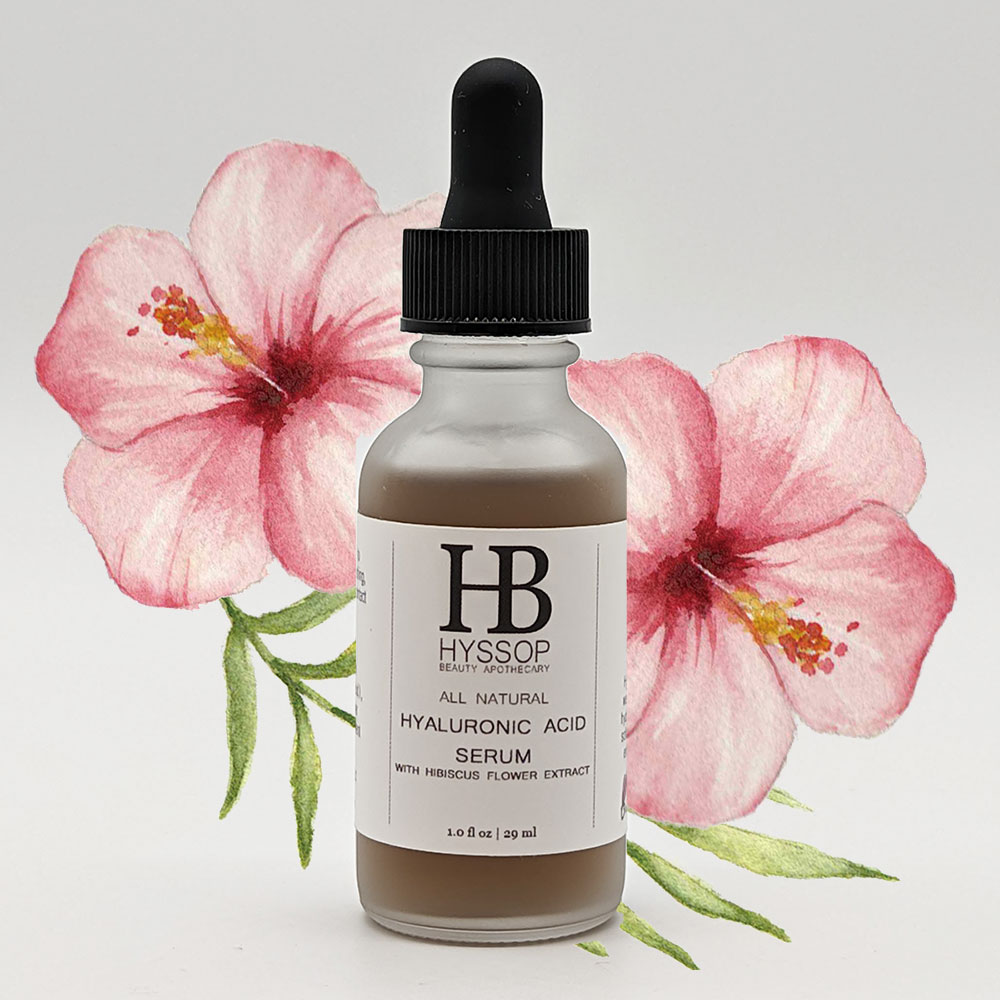
Lock in moisture: This is where occlusives, humectants, and emollients come into play. Humectants (like hyaluronic acid) draw water into your skin, emollients smooth and soften, and occlusives seal everything in. Our Hyaluronic Acid Serum with hibiscus flower extract is a lightweight way to flood your skin with hydration before layering on richer products.
Connect skin cells: Support the lipid bilayer structure that holds everything together. This means incorporating ingredients rich in fatty acids and naturally skin-compatible botanical oils like sea buckthorn and jojoba to keep everything cushioned, flexible, and comfortable.
Plant-Powered Barrier Heroes
Not all ingredients are created equal when it comes to barrier repair. Here are some botanical superstars worth knowing:
Sea buckthorn oil is ridiculously rich in omegas 3, 6, 7, and 9, plus vitamins A and E. It's one of the most nutrient-dense oils on the planet and supports both barrier repair and regeneration. The deep orange color comes from carotenoids: the same antioxidants that protect your skin from oxidative stress.
Jojoba oil is one of the best “barrier buddy” oils out there because it’s so skin-friendly. Technically it’s a wax ester (similar to what your skin naturally produces), which helps it cushion dryness, soften rough patches, and support a healthy-looking glow without feeling heavy.
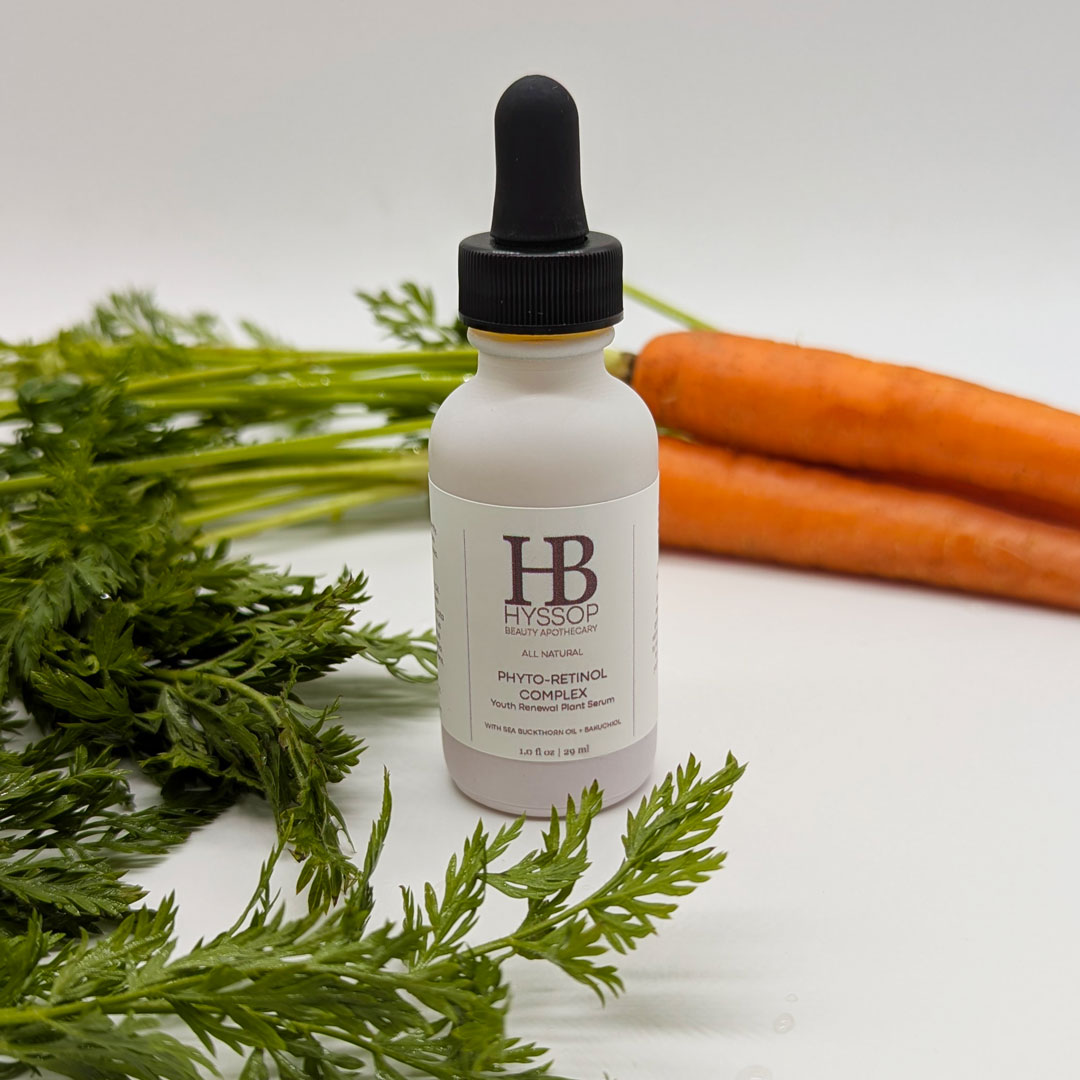
Bakuchiol (a key ingredient in our Phyto-Retinol Complex) offers retinol-like benefits without the irritation: important when your barrier's already stressed. It supports cell turnover and collagen production while being gentle enough for sensitive skin.
Hyaluronic acid can hold up to 1,000 times its weight in water, making it a hydration powerhouse. Pairing it with hibiscus flower extract (which naturally contains AHAs and anthocyanins) gives you gentle exfoliation and antioxidant protection in one elegant step.
A Simple Barrier-Repair Routine
When your barrier's compromised, simpler is better. Strip back to the essentials and give your skin room to breathe.
Morning:
- Gentle cleanse with something mild (our Rose + White Willow Bark Face Wash cleanses without stripping)
- Apply Hyaluronic Acid Serum to damp skin
- Layer a barrier-supporting Facial Oil (look for plant-based barrier boosters like sea buckthorn oil + jojoba)
- SPF (always non-negotiable). If you’re looking for a natural alternative to your sun protection routine, we also offer shots of Raspberry Seed Oil in our Facial Oil. Raspberry Seed Oil is a natural SPF but does not offer full-spectrum protection, so we still recommend using a mineral sunscreen for prolonged sun exposure.
Evening:
- Double cleanse if you wore makeup or SPF: start with Makeup Remover, then wash with Rose + White Willow Bark Face Wash
- Apply Hyaluronic Acid Serum on damp skin
- Apply Phyto-Retinol Complex for overnight repair
- Seal with a nourishing Facial Oil
Notice what's missing? A dozen actives, multiple toners, and complicated layering. When your barrier's healing, less really is more.
pH Matters More Than You Think
Your skin's natural pH hovers around 4.5-5.5: slightly acidic. This acidity supports beneficial bacteria, optimizes enzyme activity needed for barrier repair, and keeps harmful microbes in check.
When your pH shifts too alkaline (often from harsh cleansers or tap water), everything gets thrown off. Enzymatic processes slow down, bad bacteria thrive, and your barrier struggles to repair itself.
Choose pH-balanced cleansers and consider a gentle toner to rebalance after cleansing. Your skin will thank you.
The Microbiome Connection
Emerging research shows that barrier health and your skin microbiome are deeply connected. A healthy barrier supports beneficial bacteria, while those bacteria help maintain barrier function: it's a beautiful symbiotic relationship.
When formulating barrier-repair routines, look for products that don't disrupt your microbiome. Avoid antibacterial ingredients unless medically necessary, and choose gentle, plant-based formulations that work with your skin's natural ecosystem rather than against it.
How Long Does Repair Take?
Here's the honest truth: it depends on how damaged your barrier is and how consistent you are with your routine.
Most people notice improvements within 2-4 weeks of consistent use. Your skin will feel less tight, redness calms down, and that perpetually dehydrated feeling starts to ease. Full repair can take anywhere from 6-8 weeks, especially if the damage was severe.
The key is consistency. Don't bounce between products or introduce new actives while your barrier's healing. Stick with the plan, be patient, and trust the process.
Red Flags to Avoid
While your barrier's recovering, steer clear of:
- Harsh physical scrubs (put down the apricot kernel exfoliant)
- High-percentage chemical exfoliants (save the 30% peel for later)
- Alcohol-heavy products (they're just making things worse)
- Fragrance (natural or synthetic: if it's irritating, skip it)
- Hot water (lukewarm is your friend)
- Over-washing (twice a day max, and once might be better)
The Bottom Line
Your skin barrier is remarkably resilient when given the right support. By focusing on gentle cleansing, strategic hydration, and barrier-strengthening botanical ingredients, you're creating the ideal environment for natural repair.
It's not about piling on more products: it's about choosing the right ones and using them consistently. Simple, effective, plant-powered skincare that works with your skin's innate intelligence.
Your barrier's been protecting you since day one. Return the favor.
Want to explore more about building a results-oriented routine? Check out our other posts on the blog for deeper dives into ingredient science and skincare strategies.